Nikolaos Kokkinis-Ntrenis
Research Software Engineer
University of Applied Sciences and Arts of Western Switzerland
Biography
I have completed my Bachelor degree in 2018 form Harokopio University of Athens, Greece. I worked for 3 years as software engineer at CERN at the CLIC experiment. Continued my studies in UNIGE, where I completed my Master’s in Computer Science by the Faculty of Science. In July 2020, I joined the dmml group of HEG (University of Applied Sciences, Western Switzerland).
Download my resumé.
Interests
- Machine Learning
- Reinforcement Learning
- Robotics
Education
-
Master in Computer Science, 2018
University of Geneva, Switzerland
-
BSc. in Informatics and Telematics, 2010
Harokopio University of Athens, Greece
Experience
Research Software Engineer
University of Applied Sciences and Arts of Western Switzerland
Modeling and simulation of pathological gait resulting from motor impairments. Using real patient data provided by Hopitaux Universitaires de Geneve (HUG) and Opensim simulator provided by Ecole Polytechnique Federale de Lausanne (EPFL). We construct a data-driven model using Reinforcement/Imitation learning methods to predict a patient’s gait and to anticipate the gait modifications of clinical data (virtual treatment).
Software Engineer
CERN
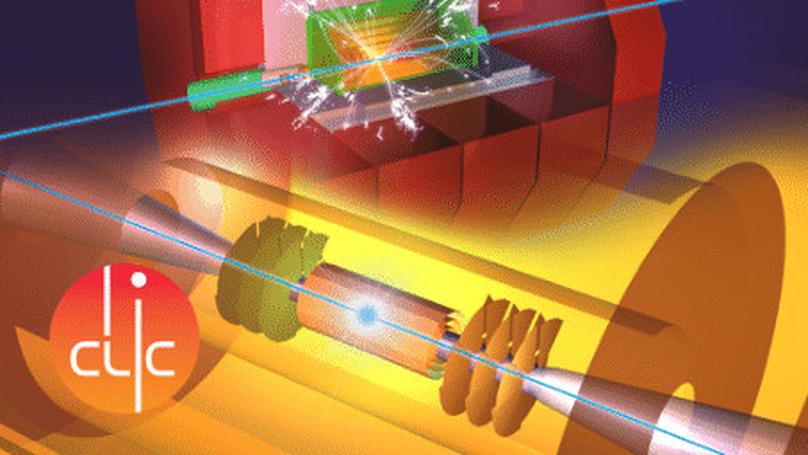
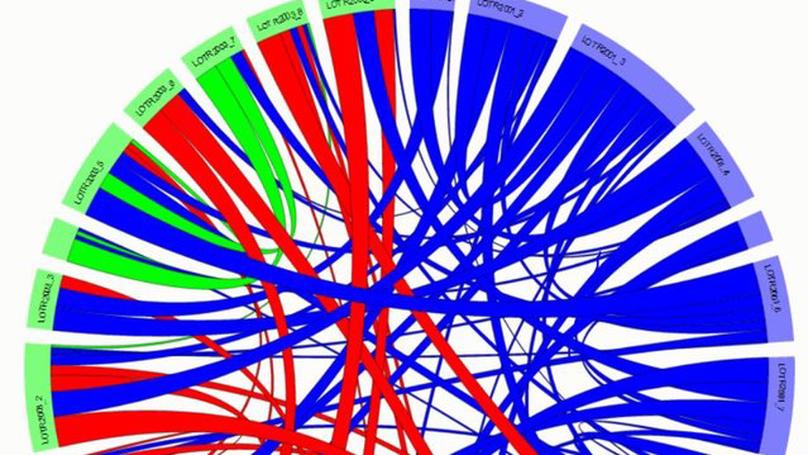
Data analysis of the hardware components of the Compact Linear Collider (CLIC) Accelerator and Detector to assess its social impact and visualization of it using graphical database.
Technical Student
CERN
Built software that analyzes and clusters particles using the timepix particle detector. The software was used to help students understand particle physics while allowing educational institutions to provide it as a low-budget (100 euros) alternative to Pixelman (6,000 euros).
Intern
National Centre of Scientific Research ”Demokritos”
Examine of correlation among movies extracting low level audio signals, visual & textual features to construct a movie recommendation system.
Projects
*